

Is Squid Game Safe for Kids? A Parent’s Guide (2026)
As a parent, you may be wondering, is Squid Game safe for kids? This South Korean series has gained immense popularity and sparked discussions worldwide. However, its intense themes and graphic content lead many to question its appropriateness for younger audiences. In this guide, we’ll explore the series’ content, themes, and age ratings to help you determine if it is suitable for your children.
Quick Summary
- Seasons: 3
- Episodes: 22
- Avg. Episode Runtime: Varies (approximately 30-60 minutes)
- Network/Platform: Netflix
- Rating: TV-MA
- Genres: Action & Adventure, Mystery, Drama
What’s it About?
Squid Game follows a group of cash-strapped individuals who receive a mysterious invitation to participate in children’s games with a deadly twist. The contestants, drawn from various walks of life, must navigate a series of high-stakes games, where losing means death. The series dives deep into themes of desperation, morality, and the human condition, showcasing how far people will go when faced with dire circumstances. As players form alliances and face betrayals, the psychological tension escalates, revealing the darker sides of human nature.
Age Appropriateness Guide
Given the graphic nature of Squid Game, it is essential to assess its content based on different age groups:
Younger Kids (Ages 4-7)
NOT Recommended, Squid Game is highly inappropriate for young children due to its violent themes, graphic content, and psychological distress. The show involves themes of death, betrayal, and survival that are far too mature for this age group.
Older Kids (Ages 8-12)
NOT Recommended, Similar to younger kids, this age group will find Squid Game unsuitable. The intense scenes of violence and mature themes, including moral dilemmas and life-or-death situations, can be distressing and confusing for children.
Teens (Ages 13-17)
Conditional (With Parental Guidance), Some teens may be more mature and able to handle the content with guidance. However, it is vital to discuss the themes and situations portrayed in the series. Parents should review the series together with their teens and have open conversations about the moral conflicts presented.
Adults (Ages 18+)
Fully Recommended, Adults can appreciate the show’s depth, storytelling, and social commentary. The graphic content may still be intense, but it is better suited for adult audiences who can critically engage with the material.
Age Recommendations Table
| Age Group | Suitable? | Notes |
|---|---|---|
| Under 13 | NO | Too violent and mature |
| 13-15 | Conditional | With parental guidance |
| 16-17 | Conditional | With awareness of content |
| 18+ | Yes | Fully appropriate |



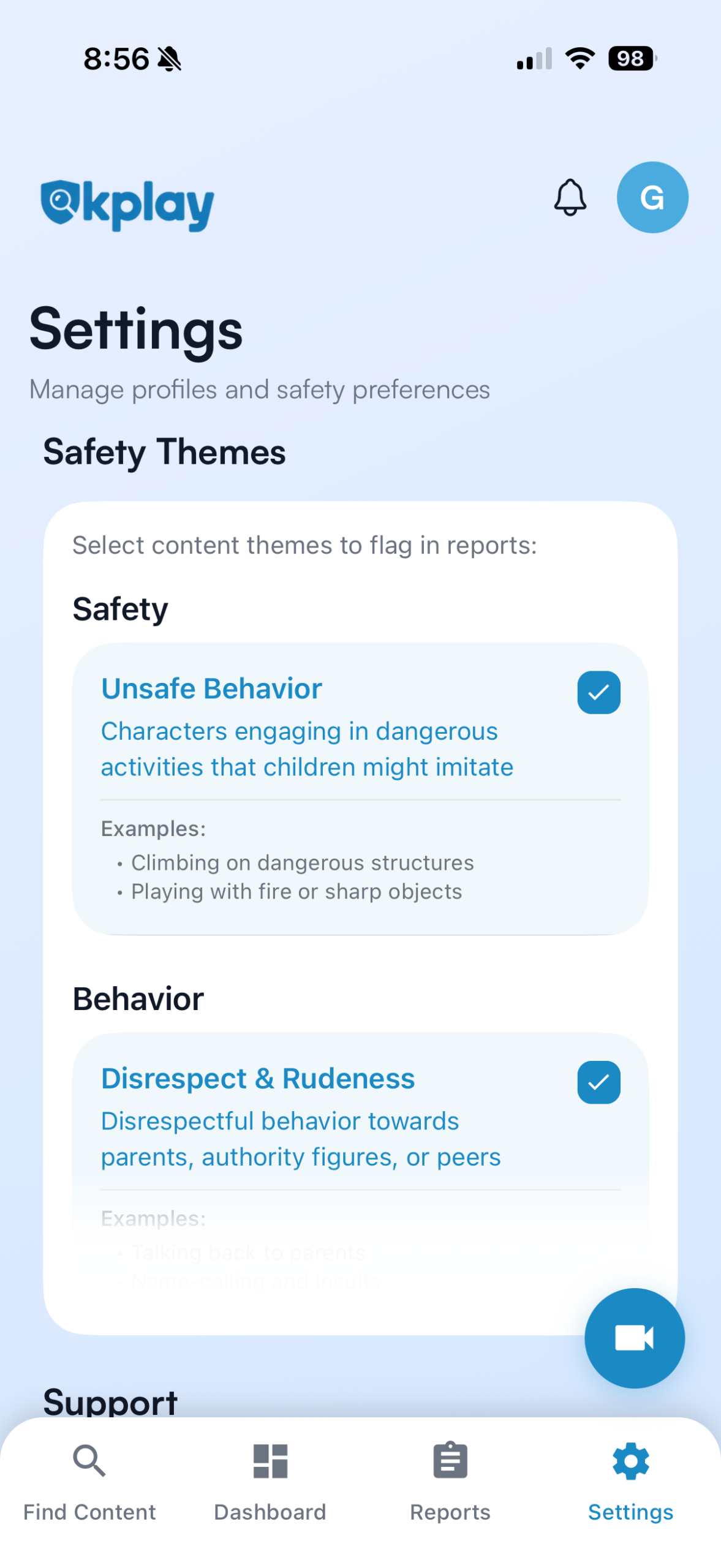
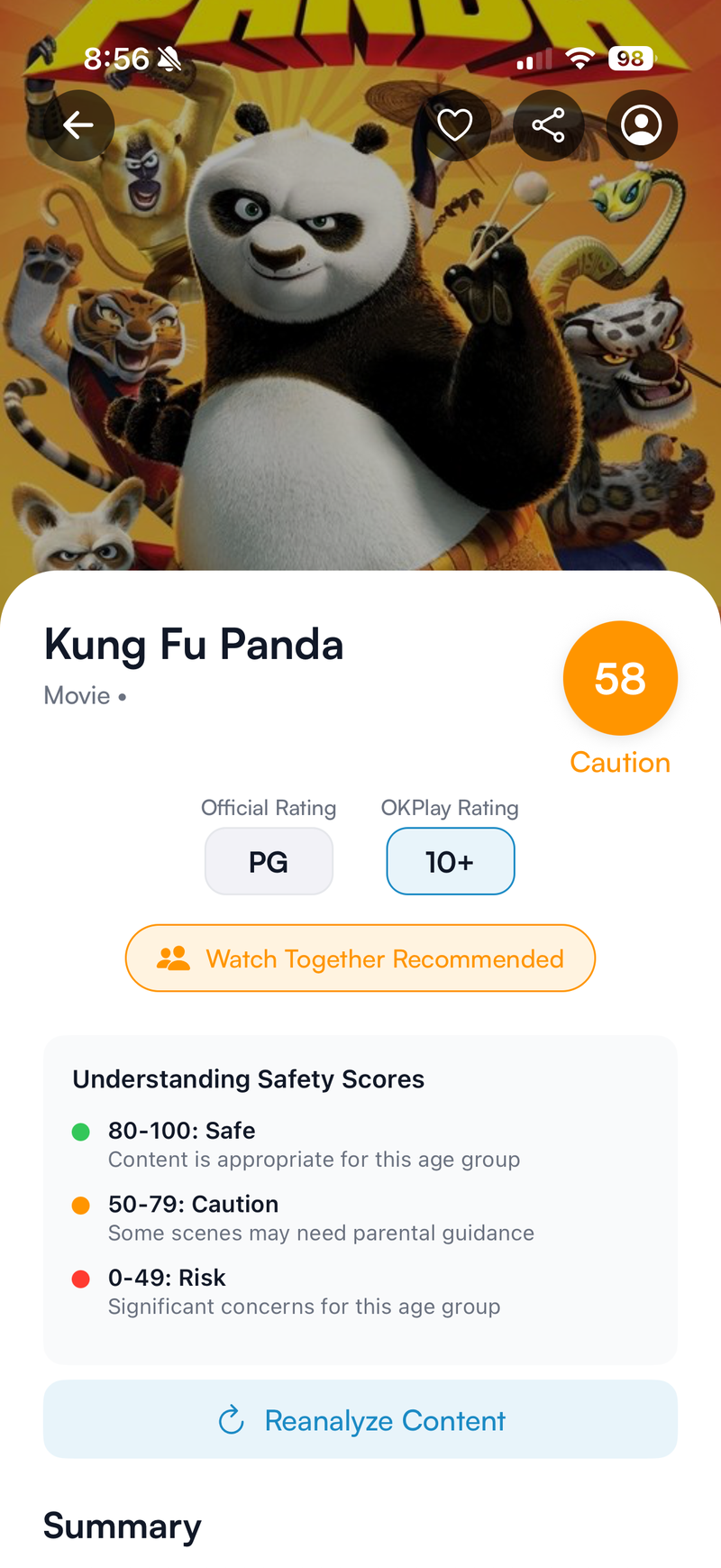
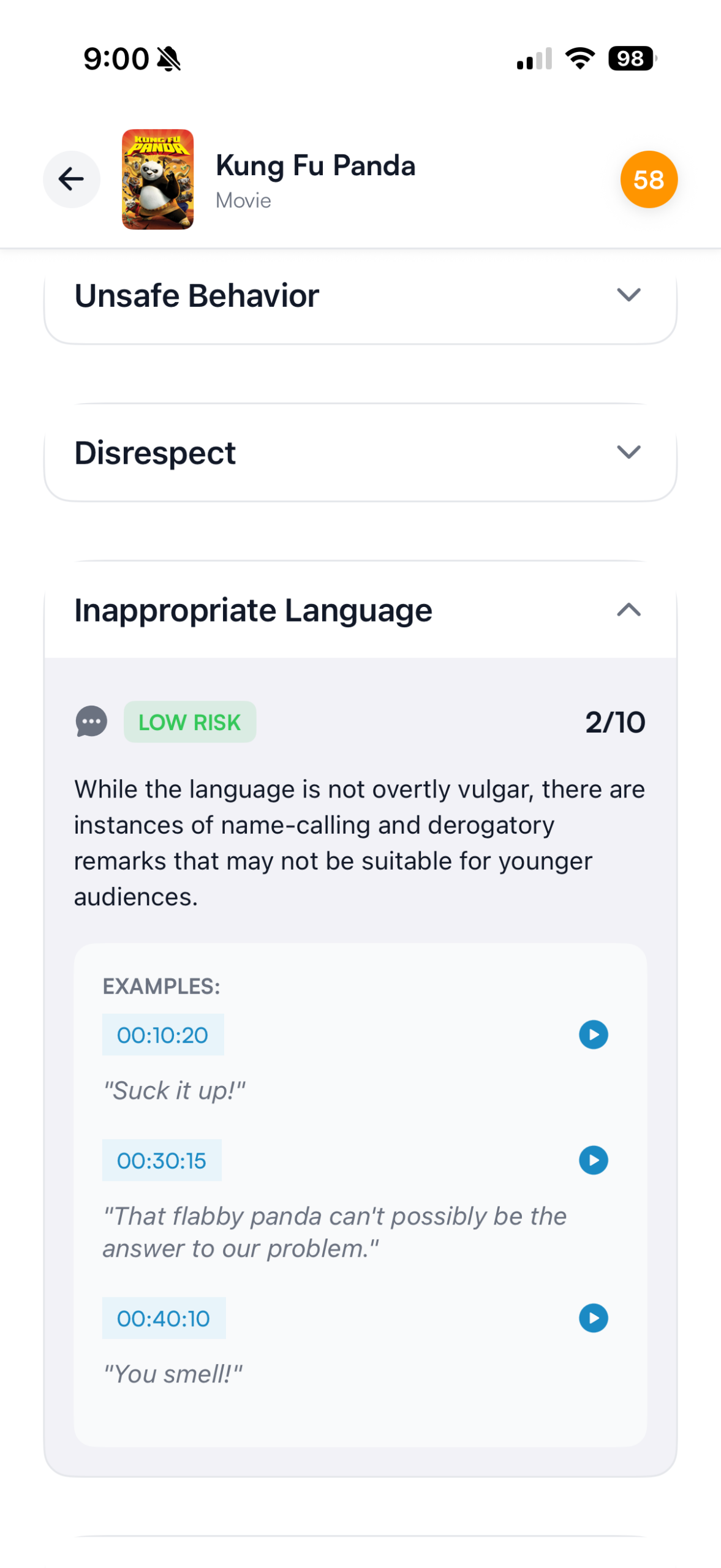
📥 GET PERSONALISED SAFETY ANALYSIS, OKPlay analyses any movie or show instantly, get the full safety report tailored to your child’s age before they press play.

Content Analysis
Violence & Action
The violence in Squid Game is graphic and intense, with several scenes that depict murder, torture, and psychological torment. Here are some specific examples of notable scenes:
- The First Game – Red Light, Green Light: This iconic scene sets the tone for the series. Players must run towards the finish line while a giant doll turns around. When the doll calls out “Red Light,” any player caught moving is shot dead. The intensity is high, as the shock of the first death leaves viewers stunned.
- The Marbles Game: In this emotionally charged episode, players pair up to compete in a game of marbles. The psychological intensity peaks as one character must betray their partner to survive, resulting in heartbreaking outcomes. The violence is not overt, but the emotional stakes are incredibly high, making the scene intense and disturbing.
- The Glass Bridge: Contestants must cross a bridge made of tempered glass, with some panels able to shatter under weight. The tension builds as players must decide whom to trust while risking their lives. The fear of falling to their deaths creates a high-stakes atmosphere, with intense reactions from the characters.
Language & Profanity
The series features frequent use of profanity and strong language, which may not be suitable for younger viewers. Characters express their frustrations and emotions through harsh words, contributing to the overall intensity and realism of the series.
Scary or Intense Scenes
Many scenes in Squid Game are designed to instill fear and anxiety, primarily through the psychological distress experienced by the characters. Some specific scenes to note include:
- The Nighttime Killings: As players attempt to escape or rebel against the system, they face merciless consequences. The ruthlessness of the guards, who eliminate anyone breaking the rules, adds to the horror of the situation.
- Death of Contestants: The shocking and unexpected deaths of beloved characters can be traumatizing for viewers. These moments often come with little warning, emphasizing the unpredictability of the games and the emotional toll on the survivors.
Sexual Content
There are instances of sexual content throughout Squid Game, including suggestive themes and nudity. Some scenes may include exploitation and objectification, adding another layer of complexity to the narrative.
Drugs & Alcohol
The show includes references to substance use and drinking, particularly among adult characters. However, these elements are not glorified but serve to highlight the desperation of the characters.
Positive Messages & Role Models
Despite its many intense themes, Squid Game also explores concepts of friendship, loyalty, and sacrifice. As characters navigate their moral dilemmas, viewers may find opportunities to discuss the importance of ethics and compassion in dire situations.
Parent Discussion Guide
After watching Squid Game, consider discussing these questions with your teen:
- Moral Dilemmas: Characters often face difficult choices regarding loyalty and betrayal. Discuss a moment when a character had to make a tough decision. What would you have done in their place?
- The Value of Life: The stakes in the games are incredibly high, often leading to death. How does this portrayal of life and death affect your understanding of the value of life? What do you think the show is trying to convey about human nature?
- Friendship vs. Survival: Many contestants form alliances to survive. How important do you think friendship is in extreme situations? Would you prioritize your friends over your survival?
- Consequences of Actions: Characters experience severe consequences for their choices. Discuss how our actions can lead to unforeseen outcomes and the importance of thinking ahead.
- Socioeconomic Commentary: The show critiques social inequalities and desperation. How does Squid Game reflect real-world issues? What parallels can you draw between the series and societal problems today?
- Emotional Impact: Identify a scene that affected you emotionally. Why did it resonate with you? How do emotions play a role in decision-making during high-stress situations?
Why Teens Love It
Teens are drawn to Squid Game for several compelling reasons:
- Thrilling Concept: The unique premise of competing in deadly children’s games captures the imagination, offering a mix of nostalgia and horror.
- Complex Characters: Each character is multi-dimensional, with backstories that resonate with viewers. Teens appreciate the character development and emotional depth.
- Social Commentary: The series tackles pressing social issues like inequality and desperation, providing a platform for discussions about morality and society.
- Visual Aesthetic: The striking visuals and stylized cinematography create an engaging viewing experience that appeals to younger audiences.
- Peer Discussions: As a cultural phenomenon, teens enjoy discussing the show with their friends, sharing theories and interpretations.
- Unpredictability: The shocking twists and unexpected character deaths keep viewers on the edge of their seats, making it a gripping watch.
Parent Verdict
In conclusion, Squid Game is NOT suitable for children under 16. While some teens may be able to engage with the material under parental guidance, the series’ graphic content and intense themes require careful consideration. Parents should weigh the emotional maturity of their teens before allowing them to view the show. The series serves as a stark reminder of human morality, making it more appropriate for mature audiences who can critically think about the content.
🔔 STOP GOOGLING, OKPlay gives you instant, age-personalised content safety reports for any title.
What to Watch Instead
- Outer Banks: A teen adventure series with drama and action, suitable for older teens.
- The Hunger Games: A film series addressing similar themes of survival and moral dilemmas, but presented in a more tailored format for younger audiences.
- Stranger Things: A mix of horror and adventure with a focus on friendship and teamwork, appropriate for teens with parental guidance.