
Is Smile Safe for Kids? A Parent’s Guide (2026)
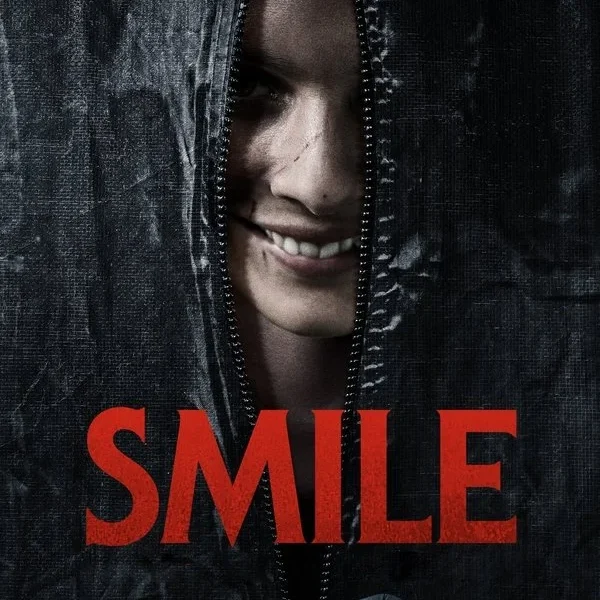
As a parent, you may be wondering, is Smile safe for kids? Released in 2022, Smile is a horror film that delves into unsettling themes and graphic content, making it essential to understand its appropriateness for younger viewers. This guide will provide you with comprehensive insights into the film’s content, themes, and age ratings, helping you make an informed decision about whether it’s suitable for your children.
Quick Summary
- Runtime: 115 minutes
- Release Year: 2022
- Director: Parker Finn
- MPAA Rating: R
- Genres: Horror, Mystery
- Streaming Availability: Hulu, Paramount Plus Premium, Amazon Video, Apple TV Store
What’s it About?
Smile revolves around Dr. Rose Cotter, a psychiatrist who witnesses a bizarre and traumatic incident involving a patient. This unsettling event triggers a series of frightening occurrences that she cannot explain. The film artfully combines elements of psychological horror and mystery, exploring the impact of trauma on the human mind.
As Rose grapples with her own mental state, she begins to question her reality, leading to terrifying visions and encounters that blur the lines between sanity and madness. The film builds suspense through its eerie atmosphere and disturbing imagery, ensuring that viewers are kept on edge throughout.
Age Appropriateness Guide
Understanding the appropriate age for viewing Smile is crucial, particularly given its R rating and the intense content it contains. Here’s a detailed breakdown of suitability for different age groups:
Younger Kids (Ages 4-7)
Not Recommended, This age group should not watch Smile due to severe content, including graphic violence and psychological distress. Young children may not be able to differentiate between fiction and reality, leading to increased fears and anxiety.
Older Kids (Ages 8-12)
Not Recommended, Similar to younger kids, older children will likely find the film too intense. The themes of self-harm and graphic violence could be very disturbing and lead to confusion or fear. Additionally, the film’s psychological elements may be challenging for this age group to process.
Teens (Ages 13-17)
Conditionally Recommended, Teens aged 13 and older can handle some horror content, but parental guidance is essential. While they may find the themes intriguing, the graphic violence and intense psychological horror can be distressing. Parents should preview the film or discuss its themes with their teens before viewing.
Adults (Ages 18+)
Fully Recommended, Adults can enjoy the film without concerns. The mature themes and graphic content are meant for an adult audience, and the film offers a compelling exploration of trauma and mental health issues.
Age Recommendations Table
| Age Group | Suitable? | Notes |
|---|---|---|
| Under 13 | No | Too intense, graphic violence, and themes |
| 13-15 | Conditional | With parental guidance |
| 16-17 | Yes | With awareness of content |
| 18+ | Yes | Fully appropriate |

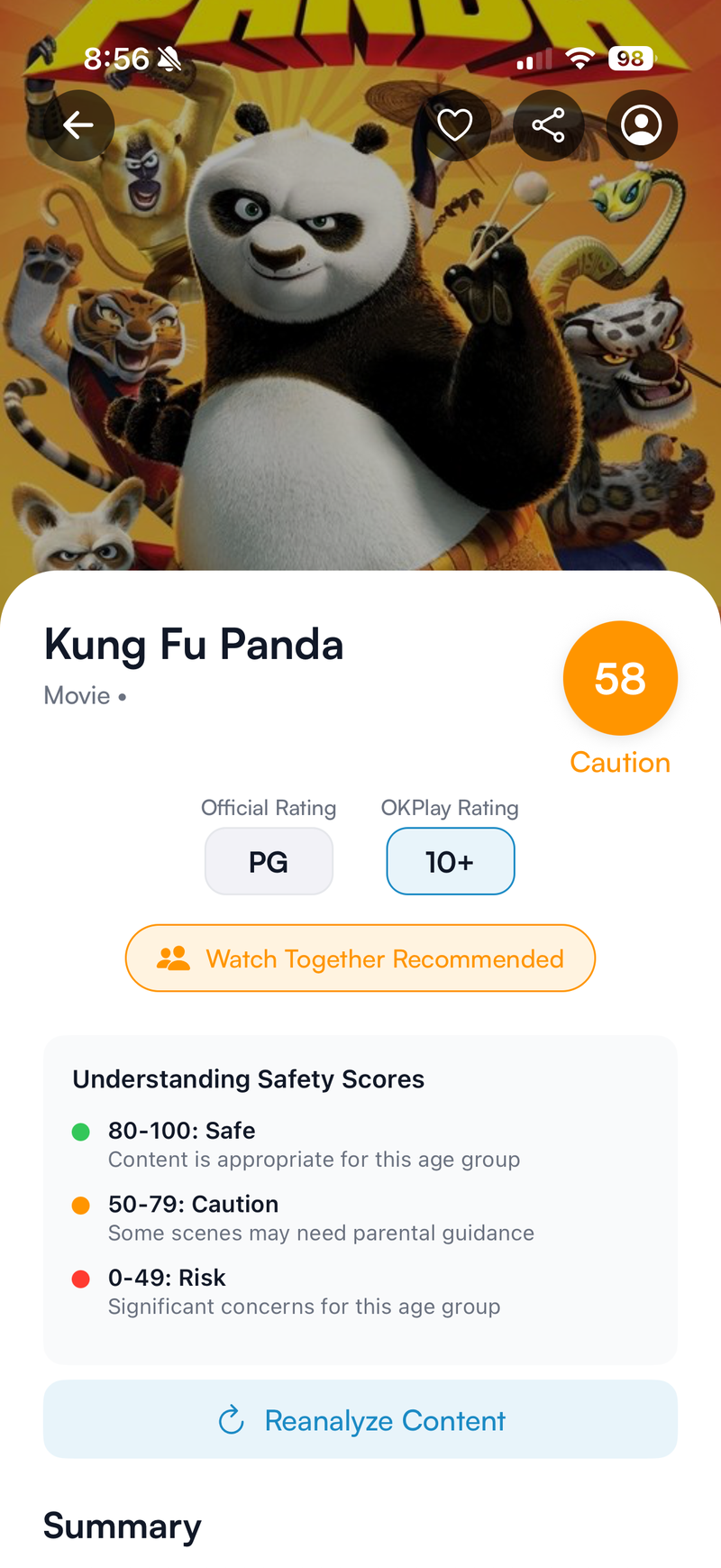
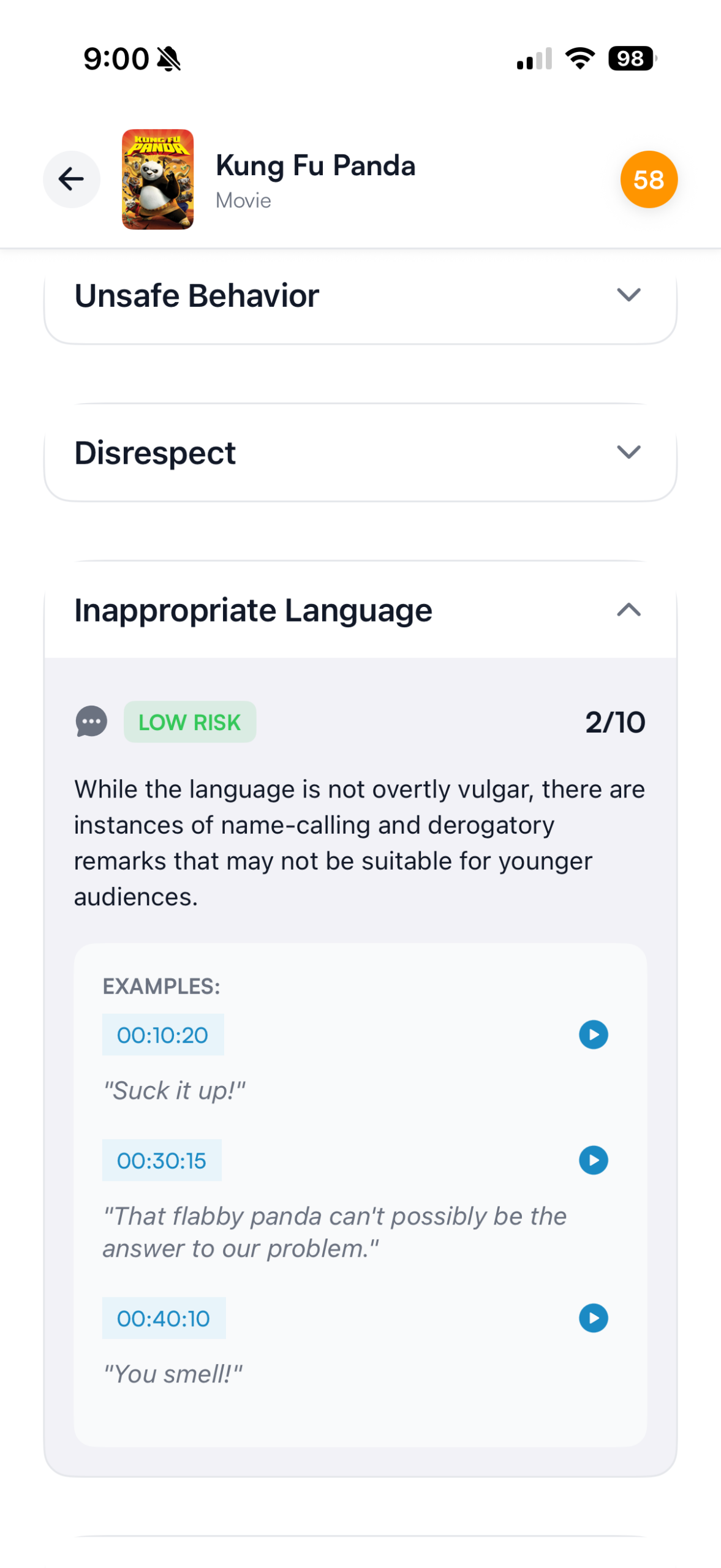
📥 GET PERSONALISED SAFETY ANALYSIS, OKPlay analyses any movie or show instantly, get the full safety report tailored to your child’s age before they press play.

Content Analysis
To thoroughly understand whether Smile is safe for kids, let’s analyze its content across several categories:
Violence & Action
Intensity Level: High
Smile contains graphic violence and disturbing imagery. Specific scenes to note include:
- Opening Scene: A patient, Laura, experiences a violent episode, leading to self-harm. The scene is intense and graphic, showcasing blood and gore. Intensity: High.
- Dr. Rose’s Nightmares: Rose begins experiencing terrifying hallucinations, including visions of violent deaths and disturbing figures. These sequences can provoke anxiety and are visually unsettling. Intensity: Moderate-High.
- Confrontation with a Stalker: Rose encounters a figure that physically assaults her in a nightmarish sequence. The portrayal of violence is graphic, including struggle and injury. Intensity: High.
Language & Profanity
Smile includes strong language throughout, with frequent use of profanity, including words like “fuck,” “shit,” and “damn.” This level of language is typical of an R-rated film, contributing to its mature tone.
Scary or Intense Scenes
Several scenes are particularly frightening and may be too intense for younger viewers:
- Mirrored Hallucinations: Rose sees distorted reflections of herself, leading to a shocking jump scare that can be startling. Intensity: High.
- Psychiatric Ward Scene: A scene takes place in a psychiatric ward, where Rose witnesses terrifying visions and the consequences of untreated trauma. The depiction of mental health issues is intense and disturbing. Intensity: High.
Sexual Content
There are minimal sexual themes in Smile, but it includes some suggestive dialogue that may not be suitable for younger audiences. These elements are subdued compared to the graphic violence and horror present.
Drugs & Alcohol
The film does not prominently feature drug or alcohol use, focusing instead on psychological horror and trauma. There are brief mentions of medication, but nothing is graphically depicted.
Positive Messages & Role Models
While Smile primarily focuses on horror and psychological themes, it does touch on the importance of mental health awareness. The film illustrates how trauma can manifest in various ways, encouraging open discussions about mental health challenges.
Parent Discussion Guide
After watching Smile, consider discussing the following questions with your teen or older child:
- Understanding Trauma: The film explores trauma and its effects on mental health. How do you think trauma can shape someone’s reality? What are healthy ways to cope with traumatic experiences?
- Reality vs. Hallucination: Dr. Rose struggles to discern reality from her hallucinations. How do you think this impacts her decisions? What would you do in her situation?
- The Role of Mental Health Professionals: Discuss the portrayal of mental health professionals in the film. Do you think the film accurately represents their challenges? How can we better support mental health initiatives?
- Fear and Anxiety: The film effectively uses fear to engage the audience. How do you respond to fear in your life? What strategies can help manage anxiety?
- Media and Psychological Horror: How does horror in media shape our understanding of mental health and trauma? Do you think it can create stigma, or does it encourage empathy?
Why Teens Love It
Smile has captured the attention of teens for several reasons:
- Intriguing Plot: The complex narrative centered around trauma and mental health allows for engaging discussions among teens, making it relatable to their lives.
- Suspenseful Atmosphere: The film’s ability to create tension keeps viewers on the edge of their seats, providing thrills that teens seek in horror films.
- Strong Female Lead: Dr. Rose Cotter is a compelling character who navigates her fears, making her relatable and inspiring to young viewers, particularly girls.
- Graphic Visuals: The film’s striking imagery and special effects attract teens who enjoy visually intense cinematic experiences.
- Social Media Buzz: The film has generated significant discussion on platforms like TikTok, where viewers share their reactions and analysis, fostering a community around its themes.
- Exploration of Mental Health: Many teens appreciate the film’s engagement with mental health issues, prompting them to reflect on their own experiences and those of their peers.
Parent Verdict
In conclusion, Smile is not suitable for children under 13 due to its graphic violence and intense themes. For teens aged 13-15, it is conditionally recommended with parental guidance, as the film explores complex themes surrounding trauma that can provoke valuable discussions. Adults can enjoy the film without concerns, as it offers a deep dive into psychological horror and the nuances of mental health. The film is a conversation starter about important issues, but parents should be prepared to discuss its heavy themes with their teens in a sensitive manner.
🔔 STOP GOOGLING, OKPlay gives you instant, age-personalised content safety reports for any title.
What to Watch Instead
If you believe Smile is too intense for your child or teen, consider these alternatives that provide thrilling content without the graphic elements:
- The Others (2001), A psychological horror film that focuses on suspense and atmosphere rather than graphic violence.
- A Quiet Place (2018), A tense thriller that combines horror elements with family dynamics, suitable for older teens.
- The Sixth Sense (1999), A classic that effectively explores psychological themes without excessive gore.