Is The Witcher Safe for Kids? A Parent’s Guide (2026)
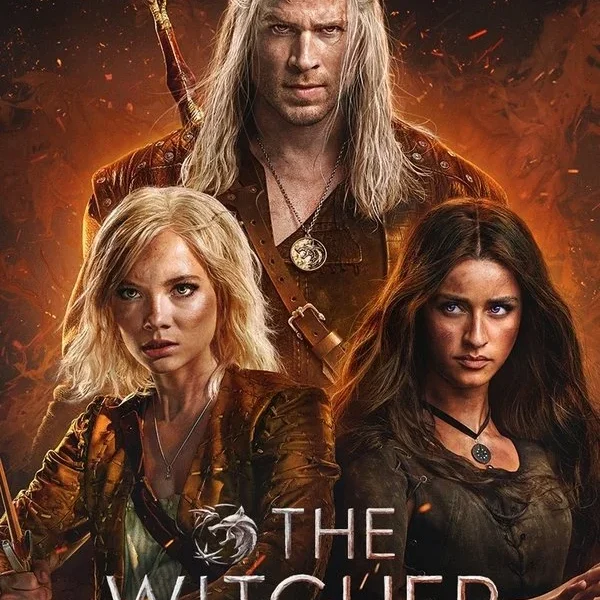
As a parent, understanding what your children watch is paramount. You may be wondering, “is The Witcher safe for kids?” This popular series on Netflix features a world filled with monsters, magic, and moral complexities, making it a topic of concern for many families. In this guide, we will explore the series’ content, age ratings, and themes to help you make an informed decision about whether it is suitable for your children.
Quick Summary
- Seasons: 4 (Season 5 expected in late 2026)
- Episodes: 32 episodes
- Average Episode Runtime: Approximately 50-60 minutes
- Network/Platform: Netflix
- Rating: TV-MA (Mature Audiences)
- Genres: Drama, Action & Adventure
What’s It About?
Set in a fantastical world filled with mystical creatures and political intrigue, The Witcher follows Geralt of Rivia, a mutated monster hunter known as a Witcher. Geralt navigates his destiny in a turbulent world where humans often prove to be more wicked than the monsters he hunts. As he encounters various characters, including sorceresses, royalty, and bards, the series delves into themes of fate, free will, and the nature of humanity. The rich lore and character development are drawn from the book series by Andrzej Sapkowski, which has captivated audiences around the globe.
Age Appropriateness Guide
Younger Kids (Ages 4-7)
NOT Recommended, The Witcher is not suitable for younger children due to its intense violence, mature themes, and complex storytelling. The fantasy elements may appeal to children, but the graphic content and adult themes make it inappropriate.
Older Kids (Ages 8-12)
NOT Recommended, While some children in this age group may be drawn to fantasy narratives, The Witcher includes frequent scenes of gore, violence, and sexual content that are unsuitable for younger audiences. The moral complexities and darker themes may be confusing and distressing.
Teens (Ages 13-17)
Conditionally Recommended, Teens 13 and older might find The Witcher intriguing, but it is essential to approach this series with caution. The show contains graphic violence, including battles and supernatural creatures, as well as sexual content that may not be appropriate for all viewers. Parents should consider watching it together to discuss the themes and content.
Adults (Ages 18+)
Fully Recommended, For adult viewers, The Witcher is a thrilling and engaging series that offers a rich narrative and deep character development. The mature themes and graphic content are well-suited for adult audiences looking for complex storytelling in a fantasy setting.
Age Recommendations Table
| Age Group | Suitable? | Notes |
|---|---|---|
| Under 13 | NO | Too violent and mature |
| 13-15 | Conditional | With parental guidance |
| 16-17 | Yes | May handle mature themes with context |
| 18+ | Yes | Fully appropriate |
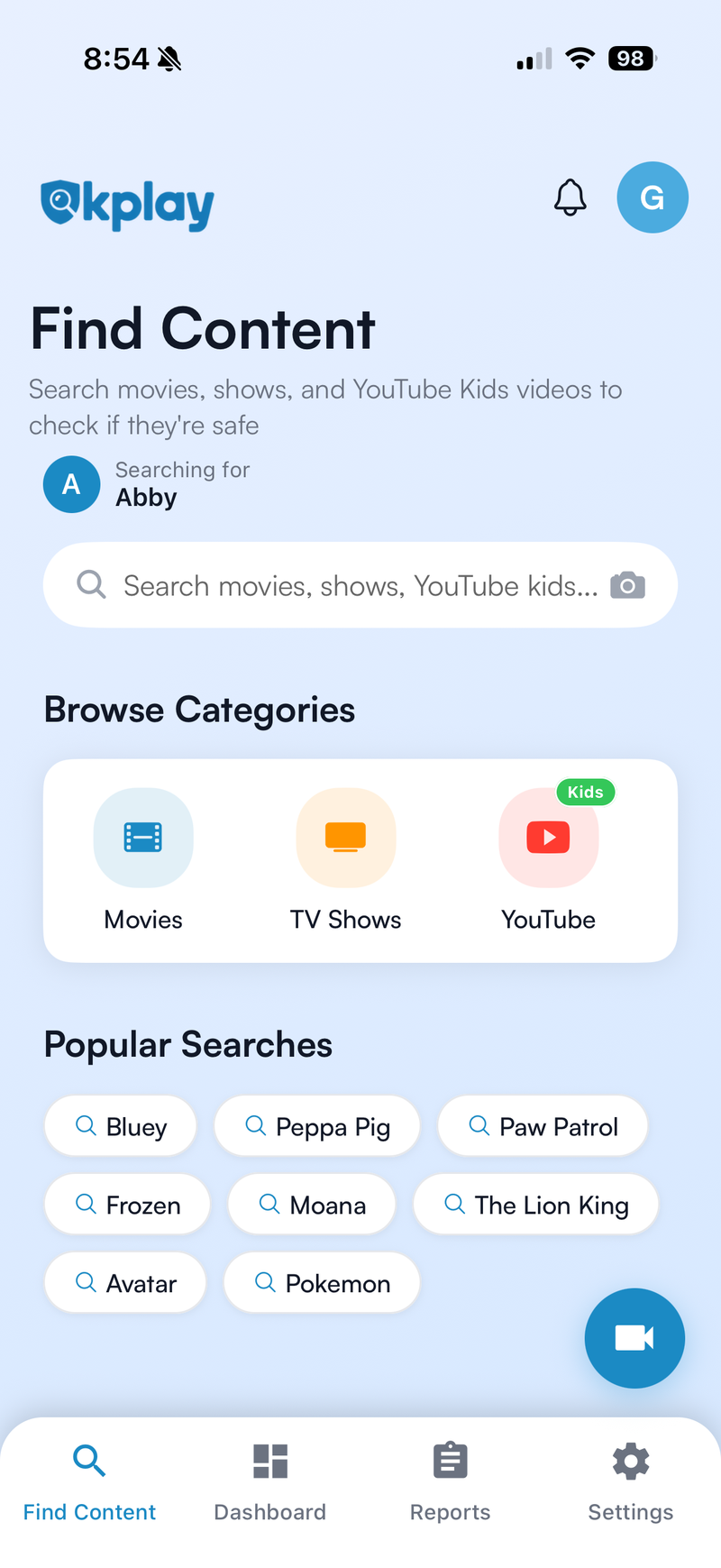

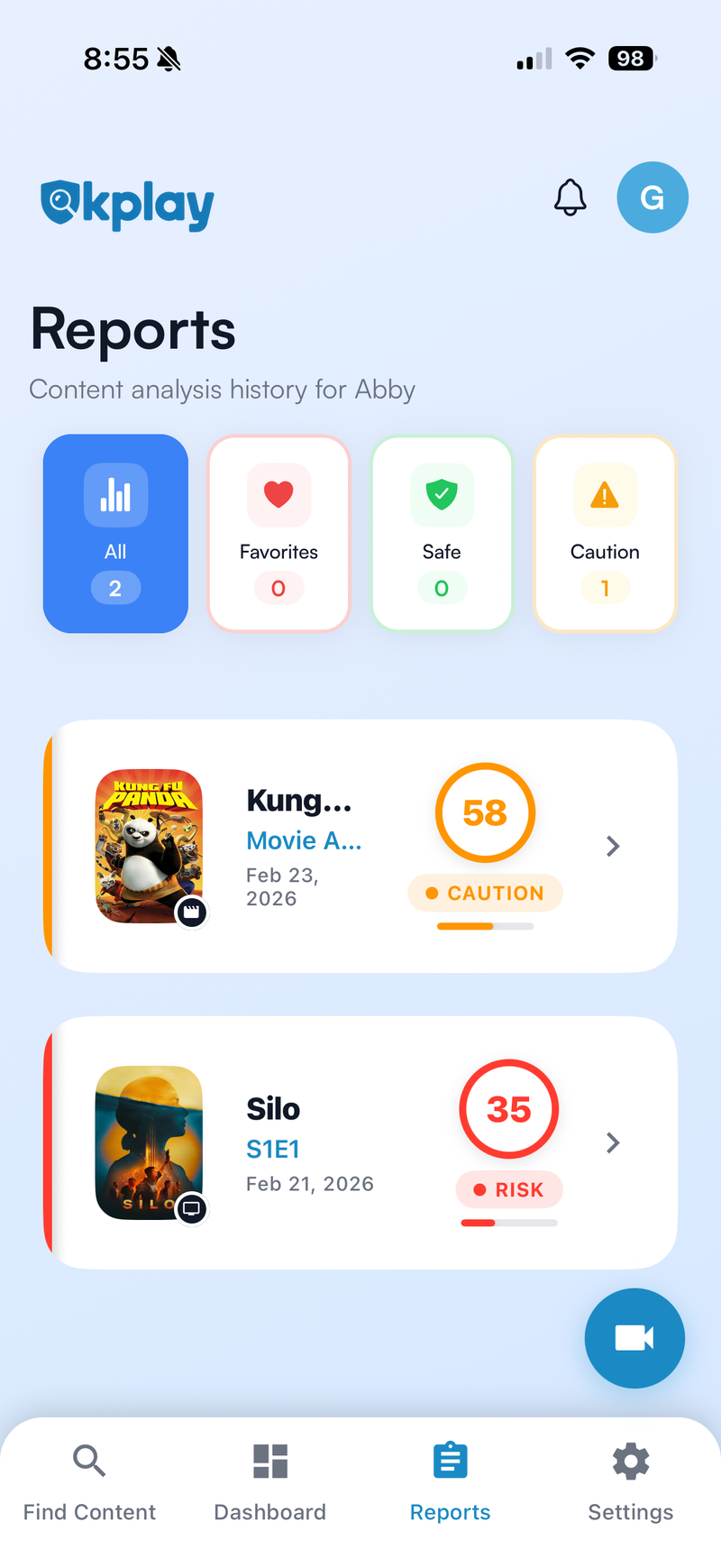
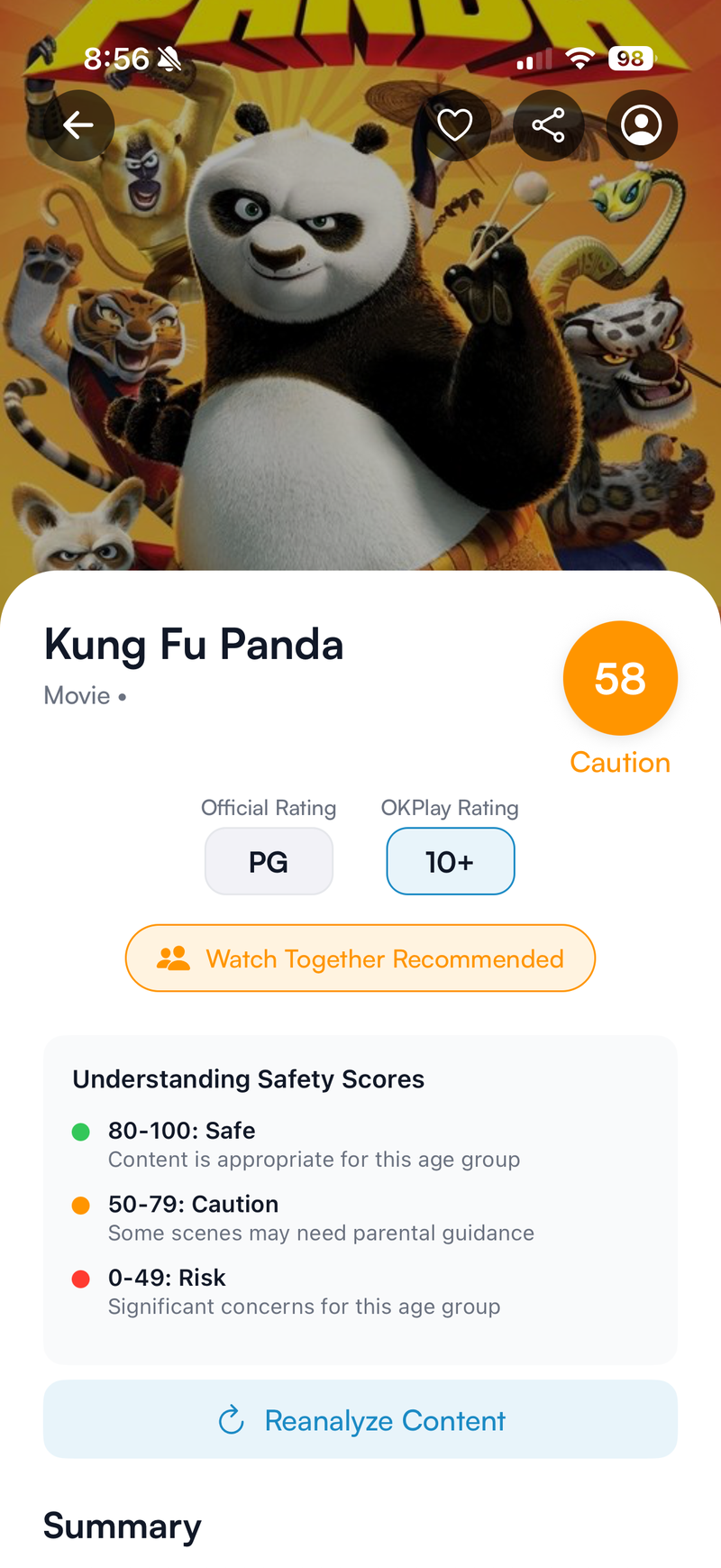
📥 GET PERSONALISED SAFETY ANALYSIS, OKPlay analyses any movie or show instantly, get the full safety report tailored to your child’s age before they press play.

Content Analysis
Violence & Action
Violence Level: High, The Witcher features frequent scenes of intense action and violence, including battles with monsters, human conflicts, and graphic depictions of bloodshed. Some specific scenes to note include:
- Geralt vs. The Kikimora, In Season 1, Episode 2, Geralt encounters a Kikimora, a monstrous creature, leading to a brutal fight. The scene includes gore, with limbs severed and blood splattering, rated at a high intensity.
- Battle of Sodden Hill, In Season 1, Episode 8, a massive battle occurs, showcasing graphic violence as soldiers and monsters clash. The depiction of death and injury is prevalent, making this scene particularly intense.
- The Striga Encounter, In Season 1, Episode 6, Geralt battles a Striga, a cursed creature. This encounter involves significant violence and danger, rated at a moderate to high intensity due to the emotional stakes involved.
Language & Profanity
The series contains frequent strong language, including profanity that reflects the mature themes and settings. Characters often use foul language during tense situations or conflicts, which may not be suitable for younger audiences.
Scary or Intense Scenes
There are numerous intense scenes throughout the series that may scare younger viewers. Notable moments include:
- The Witcher’s Transformation, Geralt’s transformation into a Witcher involves painful mutations and intense imagery, which is unsettling for sensitive viewers.
- Visions of Death, Characters often experience visions of death and destruction, which can be psychologically intense and disturbing.
Sexual Content
Sexual content is prevalent in The Witcher, including nudity and sexual situations. The series portrays several intimate scenes that are graphic and may not be appropriate for younger viewers.
Drugs & Alcohol
Depictions of substance use, including drinking and smoking, are present throughout the series. Characters are often seen consuming alcohol in various contexts, which may contribute to the mature themes of the show.
Positive Messages & Role Models
Despite its graphic content, The Witcher also conveys themes of morality, choice, and the complexity of human nature. Geralt often struggles with his identity and the choices he makes, providing potential discussion points about personal ethics and responsibility.
Parent Discussion Guide
After watching The Witcher, consider discussing these questions with your teen or older children:
- Morality and Choices: Geralt often faces moral dilemmas. How do you think he decides what is right or wrong? Can you relate to any of his choices in your own life?
- Human Nature vs. Monsters: The series suggests that humans can be more wicked than monsters. What are your thoughts on this idea? How does it reflect the world we live in?
- Consequences of Violence: Violence is a significant aspect of the show. What do you think about how violence is portrayed? Does it glorify or critique violence?
- Friendship and Loyalty: Geralt’s relationships with characters like Yennefer and Jaskier reflect themes of loyalty. How do you think these relationships impact their choices and actions?
- Fate and Free Will: The series often discusses destiny. Do you believe in fate, or do you think we create our paths? How does this relate to the characters’ journeys?
Why Teens Love It
The Witcher has captured the hearts of many teens for several reasons:
- Epic Fantasy World: The richly built world filled with magic, monsters, and adventure is captivating and offers an escape from reality.
- Complex Characters: Characters like Geralt and Yennefer are multifaceted and relatable, providing depth to the story that resonates with viewers.
- Action-Packed Sequences: The intense action and fight scenes are thrilling and keep viewers engaged, making it exciting to watch.
- Strong Themes: Themes of morality, love, and friendship appeal to teens navigating their own lives and relationships.
- Popular Source Material: As a series based on books and video games, many teens are already familiar with the lore, enhancing their viewing experience.
- Visual Spectacle: The stunning visuals and production value elevate the series, making it appealing to a younger audience looking for high-quality content.
Parent Verdict
In conclusion, The Witcher is not suitable for younger audiences, particularly those under the age of 13. For teens aged 13-15, it may be appropriate with parental guidance, but parents should be aware of the mature themes, graphic violence, and sexual content. Older teens (16-17) can engage with the series, provided they are prepared for its complexities. Ultimately, adults will appreciate the storytelling and themes. As a parent, consider watching together to discuss the content and its implications.
🔔 STOP GOOGLING, OKPlay gives you instant, age-personalised content safety reports for any title.
What to Watch Instead
- The Dragon Prince, A family-friendly animated series with fantasy elements and adventure suitable for all ages.
- Shadow and Bone, A fantasy series with complex characters and themes, rated for older teens but with a more accessible approach.
- The Mandalorian, A Star Wars series that combines adventure and moral lessons, suitable for older kids and teens.