Is Stranger Things Safe for Kids? A Parent’s Guide (2026)
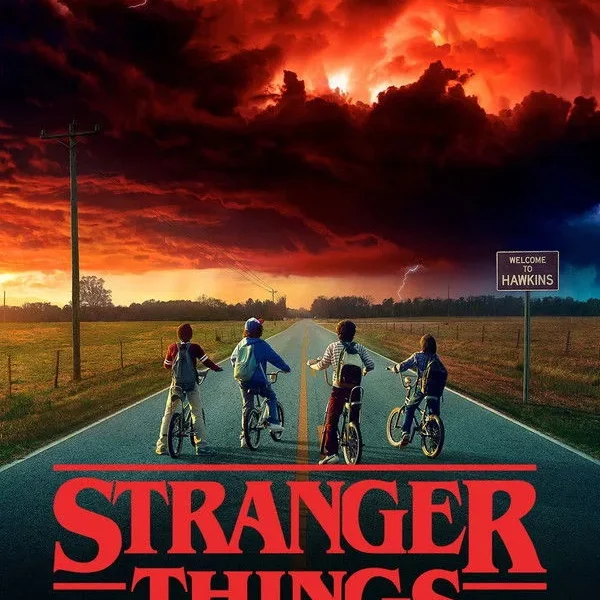
Stranger Things has captivated audiences worldwide, blending 80s nostalgia with supernatural horror and drama. As a parent, understanding whether this series is appropriate for your children is essential. This guide breaks down the content, themes, and age ratings to help you decide if Stranger Things is safe for your kids.
Quick Summary
- Seasons: 5
- Episodes: 42
- Avg. Episode Runtime: Varies (approximately 50-75 minutes)
- Network/Platform: Netflix
- Rating: TV-MA (Mature Audiences)
- Genres: Sci-Fi & Fantasy, Mystery, Action & Adventure
What’s It About?
Set in the fictional town of Hawkins, Indiana, Stranger Things follows a group of children and teens as they navigate the complexities of adolescence while facing supernatural threats. The series begins with the mysterious disappearance of Will Byers, prompting his friends, Mike, Lucas, and Dustin, to embark on a quest to find him. Their search leads them to Eleven, a girl with psychokinetic abilities who has escaped from a secret government laboratory conducting experiments on children. As they uncover the existence of the Upside Down, a dark parallel dimension filled with terrifying creatures, they confront various challenges that test their friendship, courage, and resilience.
The show cleverly weaves in themes of friendship, loyalty, and the fight against evil while also exploring darker subject matters, including trauma, grief, and the impacts of government secrecy. Each season escalates in intensity, introducing new characters and threats, ultimately culminating in a gripping narrative that appeals to both young and adult viewers.
Age Appropriateness Guide
Younger Kids (Ages 4-7)
NOT Recommended, Stranger Things is not suitable for young children. The series contains intense scenes, frightening monsters, and complex themes that are far beyond the understanding of this age group. Parents should be aware that the content may provoke fear and anxiety in younger viewers.
Older Kids (Ages 8-12)
NOT Recommended, Even older children should avoid watching Stranger Things. The series includes graphic violence, horror elements, and mature themes, such as loss and trauma, that might be distressing. Scenes involving death and intense supernatural occurrences may be too much for this demographic.
Teens (Ages 13-17)
Conditionally Recommended (With Parental Guidance), While some teens 13 and older may enjoy the series, it is crucial for parents to watch alongside them. The show addresses dark themes and incorporates significant violence, particularly in the later seasons. Parental guidance is essential to help them process the content and address any questions or concerns that may arise.
Adults (Ages 18+)
Fully Recommended, Adults can enjoy Stranger Things without concern. The complex storytelling, character development, and nostalgic elements resonate well with an adult audience, providing entertainment value while also addressing serious themes.
Age Recommendations
| Age Group | Suitable? | Notes |
|---|---|---|
| Under 13 | NO | Too violent and scary |
| 13-15 | Conditional | With parental guidance, but may be too intense |
| 16-17 | Yes | With awareness of content |
| 18+ | Yes | Fully appropriate |

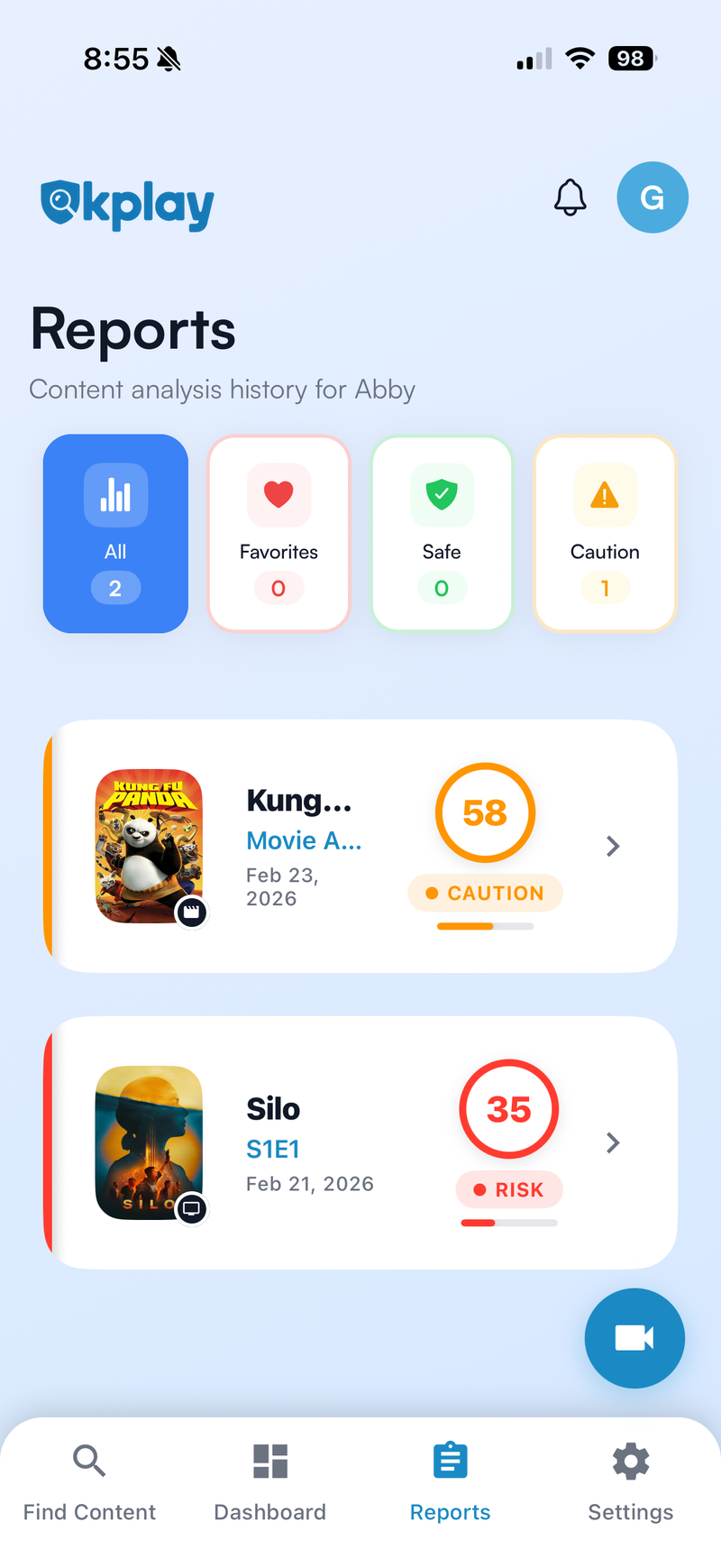
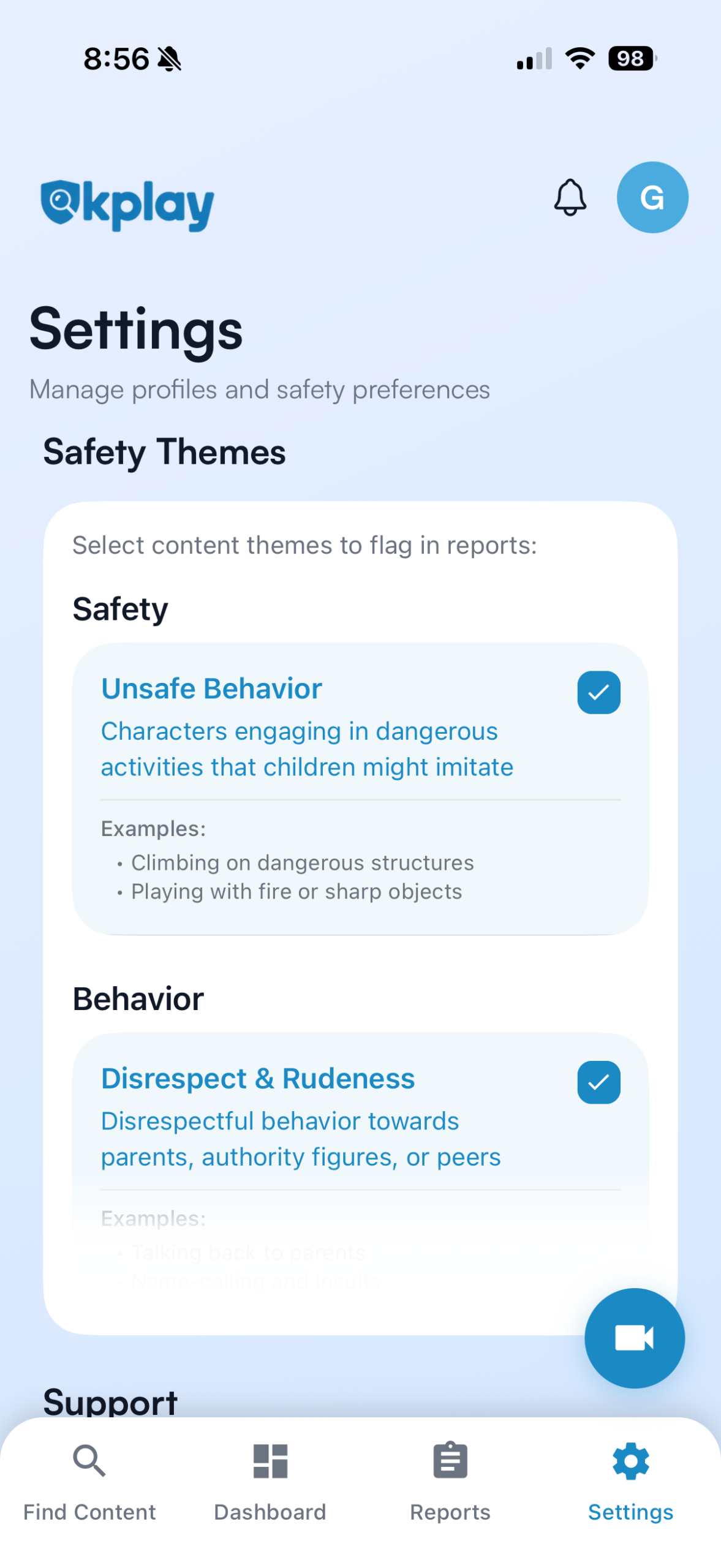
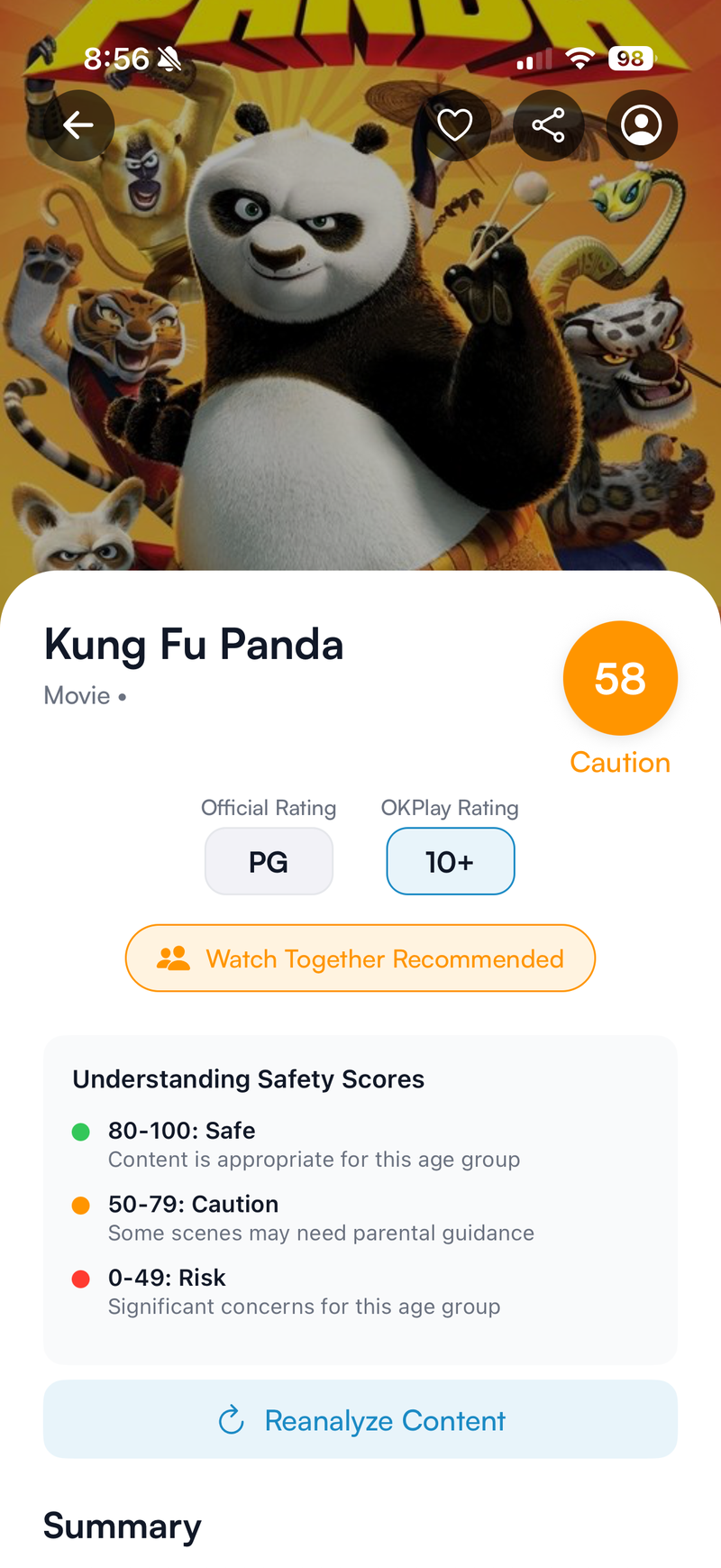
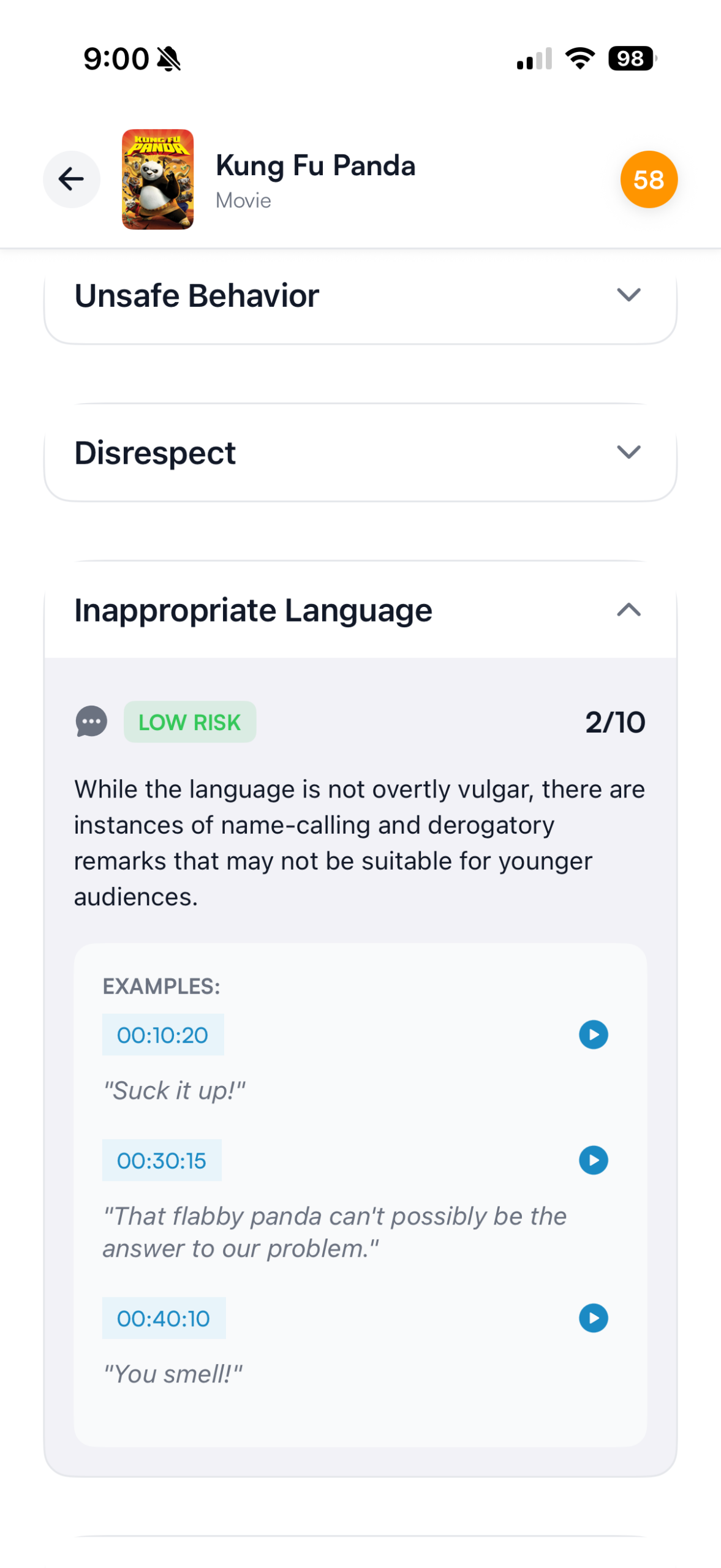
📥 GET PERSONALISED SAFETY ANALYSIS, OKPlay analyses any movie or show instantly, get the full safety report tailored to your child’s age before they press play.

Content Analysis
Violence & Action
Stranger Things features significant violence throughout its five seasons, which escalates in intensity as the series progresses. Key specific scenes include:
- Demogorgon Attack (Season 1): The Demogorgon, a monstrous creature from the Upside Down, attacks a group of characters in Hawkins. The attack is graphic, showcasing fear and violence as characters try to escape. Intensity: High.
- Hopper’s Confrontation (Season 3): In a tense scene, Police Chief Jim Hopper fights against the Mind Flayer’s control over the townspeople, leading to a violent showdown in the Russian lab. Intensity: Moderate-High.
- Vecna’s Reveal (Season 4): The antagonist Vecna terrorizes multiple characters, leading to disturbing and graphic scenes of psychological horror and physical violence, including the death of key characters. Intensity: Very High.
Language & Profanity
Stranger Things contains moderate to heavy language throughout the series. Characters frequently use profanity and insults, especially as the tension escalates. The language reflects the emotional intensity of the situations and the characters’ frustrations, which may not be suitable for younger viewers.
Scary or Intense Scenes
Several scenes in Stranger Things are particularly intense and may be frightening for younger audiences:
- Will’s Disappearance (Season 1): The opening scenes where Will goes missing are harrowing, establishing a tone of dread and suspense. The emotional turmoil experienced by his friends and family adds to the intensity. Intensity: High.
- The Mind Flayer’s Attack (Season 3): The Mind Flayer takes control of numerous characters, leading to disturbing visuals of their transformations and violent actions. Intensity: Very High.
- Vecna’s Curse (Season 4): Vecna’s method of attacking victims through their fears is psychologically intense and can be deeply unsettling. Intensity: High.
Sexual Content
Stranger Things includes mild to moderate sexual content, particularly as characters grow older throughout the series. There are instances of teenage relationships, kissing, and some sexual innuendos, especially in later seasons. While not explicit, the romantic dynamics may be more suitable for older teens.
Drugs & Alcohol
The show contains references to drug use and underage drinking, reflective of the 80s setting. Characters are shown drinking at parties, and some scenes depict drug references without glorifying their use. Parents should be aware of these elements when considering the show’s suitability for younger viewers.
Positive Messages & Role Models
Despite its darker themes, Stranger Things conveys several positive messages, including the importance of friendship, loyalty, and standing up against evil. Characters like Eleven, who shows immense strength and resilience, serve as role models for young viewers. The series also emphasizes teamwork and the power of community in overcoming challenges.
Parent Discussion Guide
After watching Stranger Things, consider discussing these questions with your teen:
- Friendship and Loyalty: How do the characters demonstrate loyalty to each other? What would you do for your friends, similar to what the characters did for Will?
- Fear and Courage: Many characters face their fears throughout the series. How do you think they find the courage to confront these fears? Can you relate to any moments in your life where you had to face your fears?
- Consequences of Actions: Discuss the implications of the characters’ decisions, both good and bad. How do their choices affect themselves and others? What lessons can be learned from their experiences?
- Government and Trust: The series delves into themes of government secrecy and distrust. How do you feel about the portrayal of authority figures in the show? What does it say about the importance of transparency in our own world?
- Growth and Change: The characters evolve significantly throughout the series. In what ways do you think they change from season to season? Can you identify with any of their personal growth journeys?
- Handling Grief: The show touches on themes of loss and trauma. How do the characters cope with grief? What healthy ways can people manage loss in real life?
Why Teens Love It
Stranger Things has garnered immense popularity among teens for several reasons:
- Nostalgic 80s Aesthetic: The show is rich with 80s pop culture references, appealing to both parents who grew up in that era and teens discovering it for the first time.
- Compelling Characters: The diverse cast of characters portrays relatable struggles, friendships, and growth, making them resonate with teen audiences.
- Mystery and Suspense: The intricate plot, filled with suspenseful twists and turns, keeps viewers engaged and eager to uncover the next mystery.
- Supernatural Elements: The incorporation of sci-fi and supernatural elements creates a thrilling atmosphere that captivates the imagination.
- Strong Themes of Friendship: The unwavering bond between the characters showcases the importance of friendship and loyalty, which are central to teen experiences.
- Cultural Phenomenon: As a widely-discussed series, teens feel connected through shared viewing experiences and conversations with friends.
Parent Verdict
Stranger Things is best suited for older teens and adults. While some 13 to 15-year-olds may find it engaging, parental guidance is strongly recommended due to the series’ mature themes and graphic content. Characters face intense violence, complex emotional situations, and darker subjects that may not be suitable for younger viewers. The show offers valuable opportunities for discussion about friendship, courage, and resilience, making it an engaging watch for families when approached thoughtfully.
🔔 STOP GOOGLING, OKPlay gives you instant, age-personalised content safety reports for any title.
What to Watch Instead
- The Goonies: A classic adventure film about friendship and teamwork, suitable for younger audiences.
- Gravity Falls: An animated series filled with mystery and humor that is family-friendly and engaging for kids and teens alike.
- Super 8: A sci-fi adventure that balances nostalgia with light-hearted themes, perfect for family viewing.